Sprockets for Automated Production Equipment — Precision Chain Drives for Robotics, CNC & Automated Cells
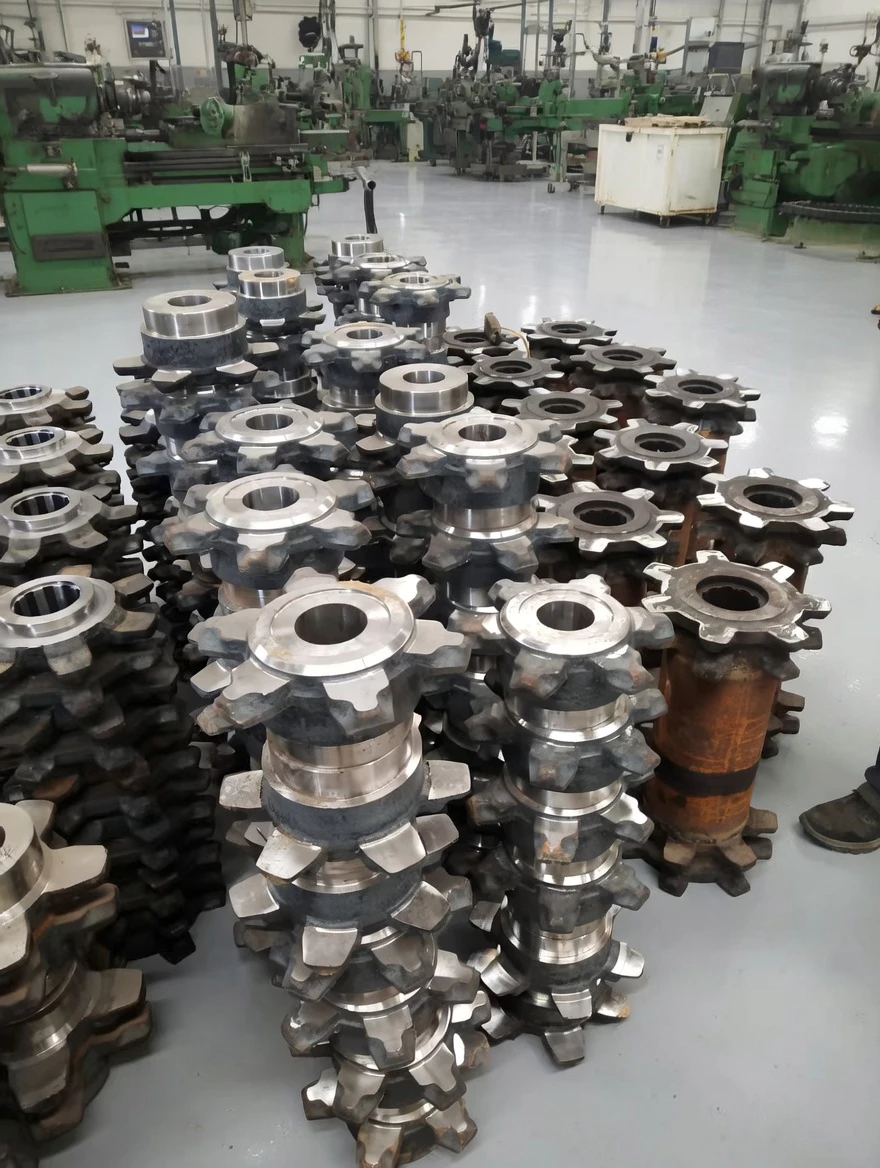
Automated production equipment relies on chain-driven sprocket systems for precise material feeding, tool positioning, pallet transfer, and robotic cell indexing. Unlike manual production lines, automated systems demand sprockets with exceptional concentricity, consistent tooth profiles, and minimal backlash to maintain positioning accuracy within ±0.1mm over millions of cycles. We supply automation-grade sprockets in ANSI #25–#60 and ISO 05B–12B with precision bores, induction-hardened teeth, and taper-lock hubs for rapid maintenance access.

Spesifikasi Teknis
| Parameter | Jangkauan | Kebiasaan |
|---|---|---|
| Melempar | 6.35–19.05mm (1/4″–3/4″) | Ya |
| Standar Rantai | ANSI #25, #35, #40, #50, #60 / ISO 05B–12B | Ya |
| Tooth Count | 15–40T (precision indexing) | 9–120T |
| Bahan | C45 Carbon Steel | SS304, Nylon, POM |
| Kekerasan | HRC 40–50 induction | Through-hardened |
| Bore Tolerance | H7 (0.025mm TIR) | H6 on request |
| Hub Type | B-Hub / Taper-Lock | A-Plate, QD |
| Max Speed | Up to 2,000 RPM | — |
| Backlash | Minimal (precision tooth profile) | — |
| Permukaan | Black oxide | Zinc, electro-polish |
| Alur kunci | DIN 6885 / AS 1403 | ANSI, JIS |
| Positioning Accuracy | ±0.1mm per station | — |
| Cycle Life | >10 million cycles | — |
| Temp Range | -10°C to +80°C | SS for higher |
| Kebisingan | <68 dB at rated speed | Nylon for <60 dB |
| Weight (17T #40) | 0.35 kg | — |
| OD (17T #40) | 77.9 mm | — |
| Pelumasan | ISO VG 30 oil / dry (nylon) | — |
| Untai | Simplex | Rangkap |
| Certification | ISO 9001:2015 | EN 10204 3.1 |
Performance Advantages
How Sprockets Work in Automated Production
In automated production cells, sprockets drive chain-based transfer mechanisms that move workpieces between robotic stations, CNC machines, inspection systems, and assembly points. The drive sprocket on the servo motor or gearbox shaft engages the precision roller chain, converting rotational motion into exact linear positioning.
Di mana: Pallet transfer indexers, CNC part loaders, robotic cell conveyors, automated guided vehicle (AGV) chain drives, pick-and-place feed mechanisms.
Fungsi: Deliver repeatable, precise positioning under servo or VFD control. Maintain synchronisation with upstream and downstream automation controllers via PLC-coordinated speed matching.
Servo vs VFD Drive — Sprocket Selection Matrix
| Factor | Servo Drive | VFD + Induction Motor |
|---|---|---|
| Positioning Accuracy | ±0.05mm — use odd tooth counts, H6 bore | ±0.5mm — standard H7 bore sufficient |
| Preferred Hub | Taper-lock (best concentricity) | B-hub or TL |
| Speed Range | 0–2,000 RPM variable | 200–1,200 RPM |
| Recommended Chain | #25 or #35 (low inertia) | #40 or #50 (robust) |
Compatibility
Chains: ANSI #25–#60, ISO 05B–12B. Attachment chains for pallet carriers.
OEM Systems: Compatible with sprockets on FANUC*, Siemens*, Bosch Rexroth*, Mitsubishi* automated systems.
*Referenced for compatibility only.
Selection Guide
1. Identify chain pitch currently installed on the automation system.
2. Determine positioning accuracy requirement → servo apps need H6 bore + TL hub.
3. Select odd tooth counts (17, 19, 21, 23) for even wear distribution over millions of cycles.
4. Environment: C45 for clean factories. SS304 for washdown. Nylon for clean-room/food.
5. Order sprocket + matched chain for optimal engagement life.
Installation for Automated Equipment
1. Power down automation cell. Engage safety interlocks and LOTO.
2. Back up PLC position data before mechanical changes.
3. Remove chain and old sprocket. Inspect servo coupling and shaft.
4. Mount new sprocket with TL bushing. Torque bolts in star pattern.
5. Align drive/driven sprockets with dial indicator (not straightedge for servo applications).
6. Install chain with correct tension. Verify position calibration via PLC teach cycle.
7. Run 100 index cycles at slow speed. Confirm positional accuracy at each station.
Troubleshooting
| Issue | Cause | Resolution |
|---|---|---|
| Position drift over time | Chain elongation or tooth wear | Measure chain pitch. Replace chain+sprocket if >1% elongation |
| Intermittent sensor faults | Sprocket runout causing vibration | Check bore TIR with dial indicator. Replace if >0.05mm |
| Servo position error alarm | Tooth backlash or chain slack | Adjust tensioner. Verify sprocket tooth profile |
| Excessive noise at speed | Misalignment or dry chain | Re-align with dial indicator. Lubricate |
| Chain jumping | Severely worn sprocket + elongated chain | Replace both. Never run new chain on worn sprocket |
Studi Kasus
Melbourne, VIC — Automotive Robotic Cell
“#35 TL sprockets on our robotic pallet transfer. Positioning accuracy verified at ±0.08mm after 4 million cycles. No recalibration needed since install.”
★★★★★ — Automation Engineer
Sydney, NSW — Electronics Pick-and-Place
“#25 precision sprockets on our component feeder. The bore concentricity is measurably superior to previous supplier. Sensor fault rate dropped to zero.”
★★★★★ — Process Engineer
Adelaide, SA — CNC Pallet Changer
“Replaced OEM #40 sprockets on our CNC pallet indexer. Dimensional match was exact. Material cert simplified our ISO audit.”
★★★★☆ — Maintenance Manager
Brisbane, QLD — Pharmaceutical Auto-Fill
“SS304 sprockets on our automated vial filling line. Electro-polished finish, clean-room compatible. Running perfectly through daily CIP cycles.”
★★★★★ — QA Director
Perth, WA — AGV Chain Drive
“#40 sprockets on our automated guided vehicle fleet. Consistent quality across 40+ units. Hardened teeth handling continuous duty cycles well.”
★★★★★ — Fleet Engineer
Pertanyaan yang Sering Diajukan (FAQ)
What pitch is best for servo-driven automation?
Do I need to recalibrate automation after sprocket replacement?
H6 bore available?
Nylon sprockets for clean-room?
Jumlah pesanan minimum (MOQ)?
Related — Transmission Chains
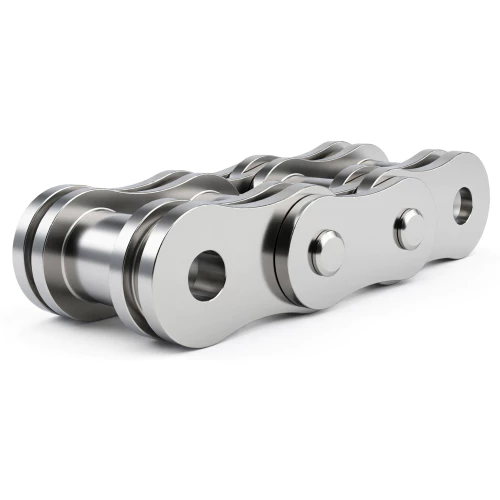
Precision Roller Chains
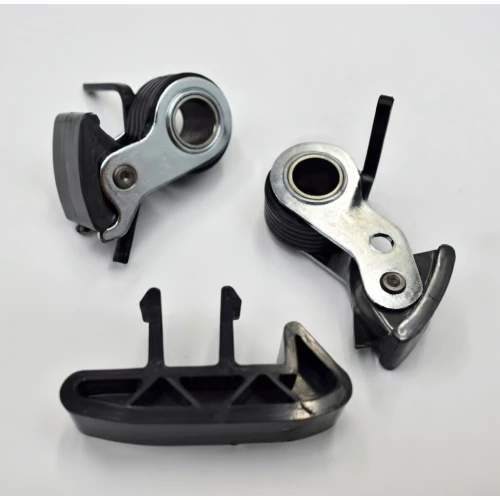
Chain Tensioners
✅ ISO 9001:2015 ✅ ANSI/ISO standards ✅ EN 10204 Type 3.1 ✅ 100% inspection
We are a full-range power transmission manufacturer. 15+ years, 3,200+ SKUs, ISO 9001, CNC precision, engineering support for Australian automation industry. OEM capability for custom specs.
Request Automation Sprocket Quote
Provide chain size, tooth count, bore (H7 or H6), hub type, and quantity for engineering review.