Description
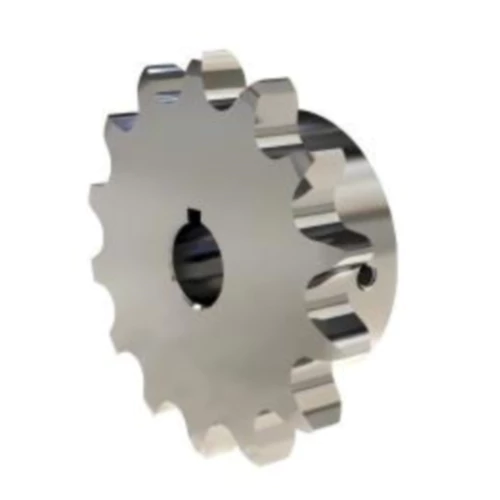
Cast Iron Roller Chain Sprockets — Low-Speed, High-Torque Drives
Cast iron sprockets are specified for low-speed, high-torque applications where the inherent vibration damping properties of cast iron provide smoother, quieter operation than steel. GG25 grey cast iron construction also offers moderate corrosion resistance without surface treatment, making cast iron sprockets suitable for outdoor, agricultural, and water treatment environments. Available in ISO 08B-32B and ANSI #40-#160 with tooth counts from 9 to 120.

Specifications
| Parameter | Value |
|---|---|
| ISO Sizes | 08B through 32B |
| ANSI Sizes | #40 through #160 |
| Material | GG25 Grey Cast Iron (EN-GJL-250) |
| Tensile Strength | 250 MPa minimum |
| Hardness | HB 180-220 (as cast) |
| Teeth | 9 – 120T (by size) |
Why Cast Iron?
Vibration Damping
Cast iron absorbs vibration inherently. Quieter, smoother operation than steel at low speeds.
Self-Lubricating Properties
Graphite flakes in grey cast iron provide natural lubricity at the tooth-roller interface.
Moderate Corrosion Resistance
Better atmospheric corrosion resistance than untreated carbon steel. Suitable for outdoor and damp environments.
Cost Effective for Large Sizes
Cast iron sprockets are more economical than machined steel for large-diameter, low-speed applications.
Not suitable for: High-speed drives (>300 RPM), shock loading, or applications where tooth breakage could cause safety hazards. Use steel sprockets for these conditions.
Applications
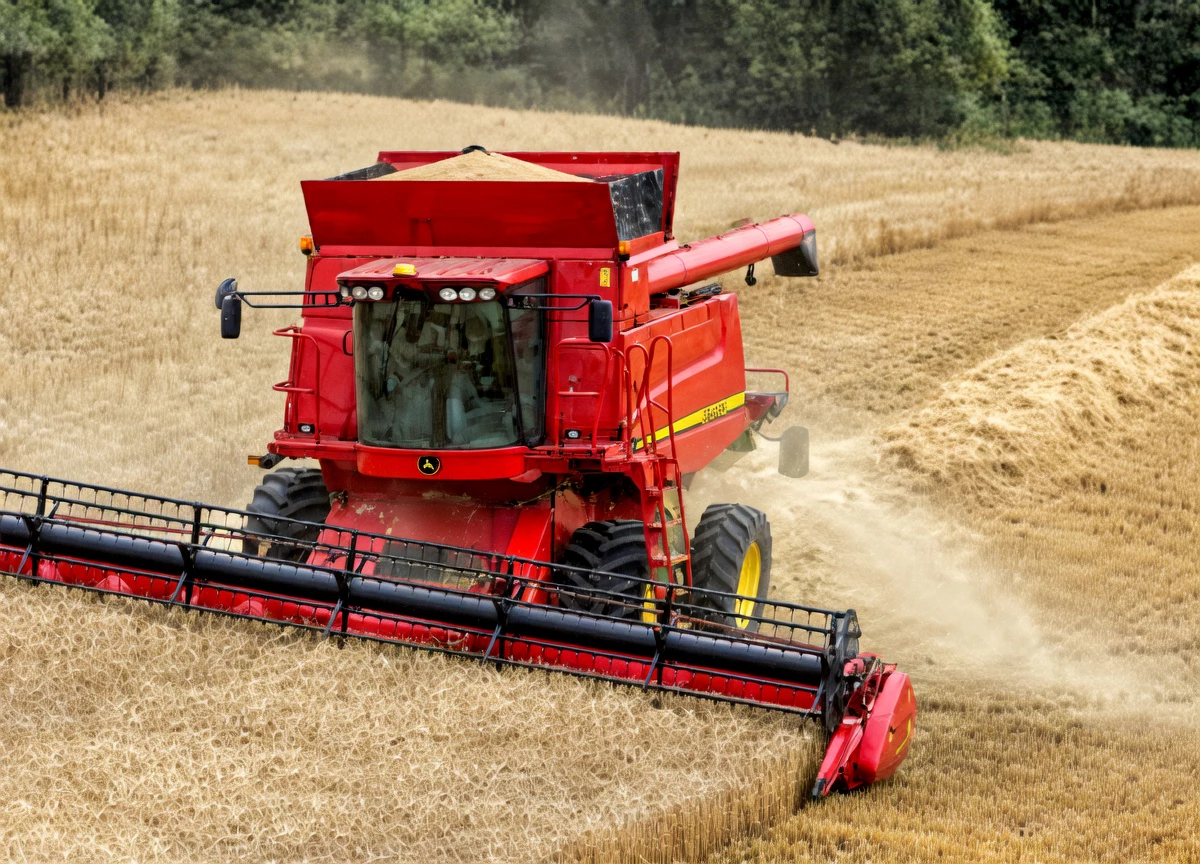
Agriculture: Low-speed barn conveyors, manure handling, irrigation equipment, hay baler drives.

Water & Wastewater: Bar screen rakes, sludge scraper drives, slow-speed clarifier mechanisms.
Reviews
“Cast iron 12B on our wastewater bar screen. Quieter than the steel sprocket it replaced. No corrosion after 2 years outdoors.” ★★★★★ — Asset Eng., Melbourne Water, Australia
“CI sprockets for our barn conveyor. Low speed, no vibration, handles the damp environment well.” ★★★★★ — Farm Manager, Gippsland, Australia
“Cost-effective replacement for our large-diameter slow-speed drive. Cast iron was the right choice.” ★★★★☆ — Maint Mgr, Surabaya, Indonesia
“Legacy equipment replacement. Cast iron CI sprocket matched the original dimensions exactly.” ★★★★★ — Plant Eng., Christchurch, New Zealand
“Good quality GG25 cast iron. We use these for outdoor agricultural conveyors.” ★★★★★ — Buyer, Pretoria, South Africa
FAQ
Cast iron vs steel?
Max speed for CI sprockets?
Ductile iron available?
Max bore?
MOQ?
Chains
Tensioners
✅ ISO 9001 ✅ GG25/EN-GJL-250 ✅ Material test certs | Ever-Power: full cast iron range.