从动链轮快速选择参考
我们标准库存产品均采用通用规格。所有链轮均按照 ANSI B29.1 或 ISO 606 (BS/DIN) 标准制造。
| 链标准 | 常用尺寸 | 牙齿范围 | 链式期权 | 材料 |
|---|---|---|---|---|
| ANSI滚子链 | #25, #35, #40, #50, #60, #80, #100, #120, #140, #160, #200 | 9吨 - 120吨 | 单层、双层、三层 | 碳钢、SS304、SS316、铸铁 |
| ISO 公制 (BS) | 04B、05B、06B、08B、10B、12B、16B、20B、24B、28B、32B | 9吨 - 114吨 | 单层、双层、三层 | 碳钢、304不锈钢、尼龙、铸铁 |
| 双倍投球 | C2040、C2050、C2060、C2060H、C2080、C2080H | 9吨 - 60吨 | 单户住宅,双户住宅 | 碳钢,SS304 |
| 特殊/定制 | 锥形锁紧式、快拆衬套式、分体式、惰轮、焊接式轮毂 | 根据规格 | 最多 10 股 | 硬化钢、4140、8620、青铜 |
Ever-Power Australia 提供什么
作为一家生产全系列动力传动产品的制造商,我们生产齿轮箱、电机和各种机械部件,在驱动链轮领域拥有深厚的专业技术,并具备完整的系统级工程知识。我们深谙您传动系统中每个部件的协同运作方式。
标准驱动链轮
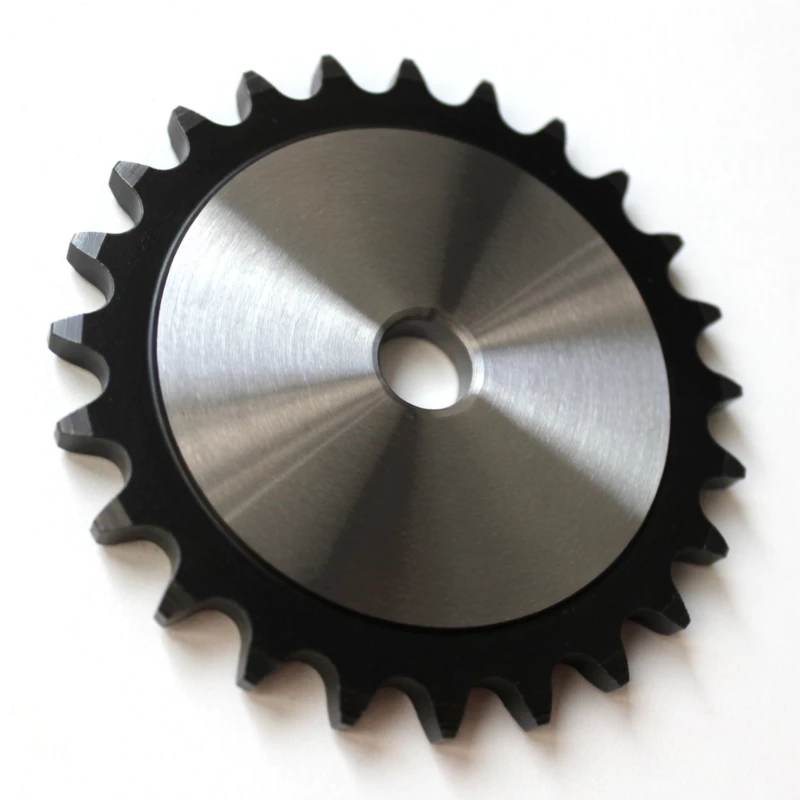
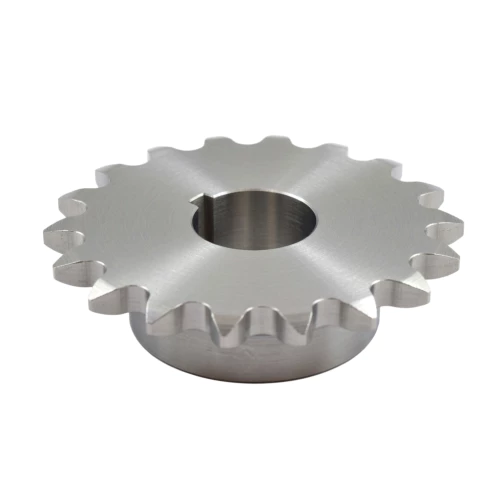
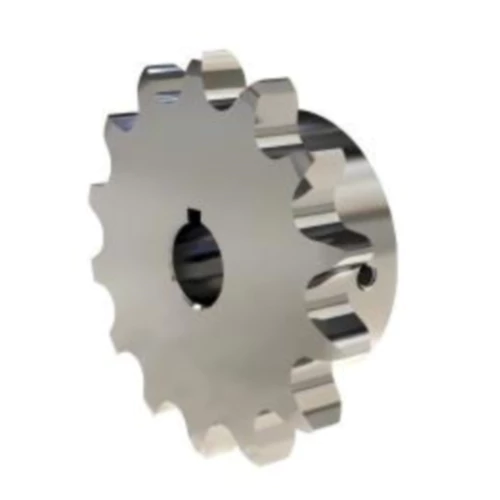
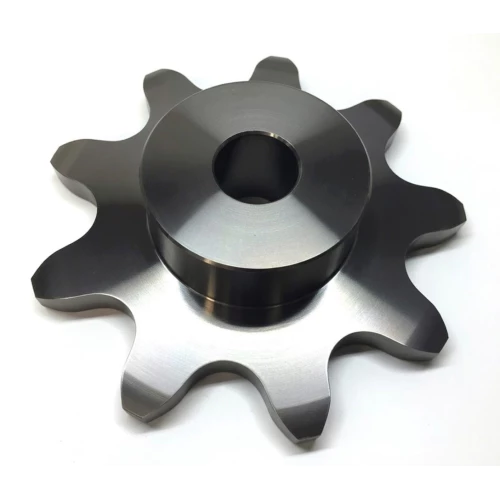
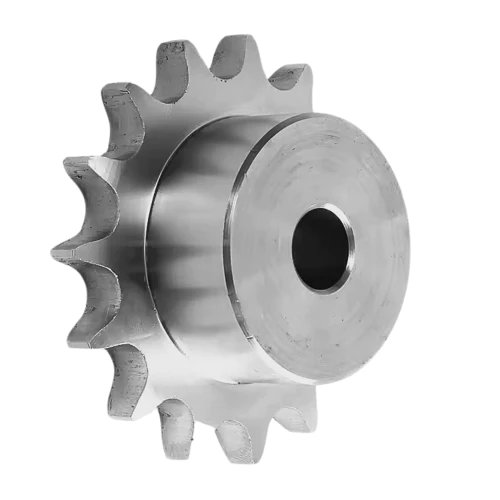
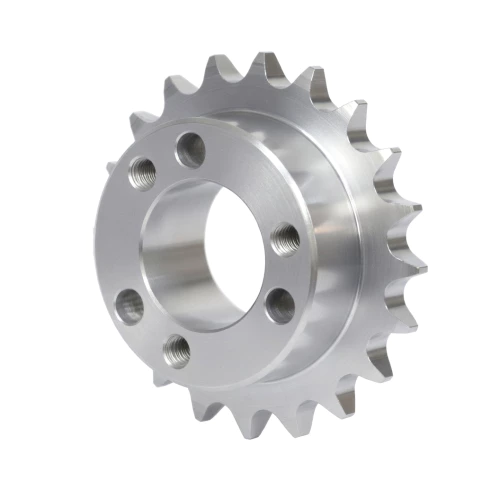
我们提供全系列符合 ANSI 和 ISO 标准的公制驱动链轮,包括 A 型盘式、B 型轮毂式和 C 型轮毂式。齿数从 9 齿到 120 齿不等。链轮结构可选单排、双排和三排。所有齿均经感应淬火,硬度达到 HRC 40-50,以延长在澳大利亚矿业和农业等高磨损环境下的使用寿命。我们仓库网络备有现货链轮,可快速发货。此外,我们还可根据您的轴规格加工带键槽的成品链轮,交货周期短。每个驱动链轮在包装前均经过尺寸检验,符合 ANSI B29.1 或 ISO 606 标准。
定制和工程链轮
我们提供非标齿形、超大孔径、焊接式轮毂、无需拆卸链条即可现场更换的分体式链轮,以及适用于提升机和斗式输送机的分段式轮辋链轮。我们采用 4140 合金钢、8620 渗碳钢、304/316 不锈钢以及尼龙和 POM 等工程塑料,为食品级和洁净室输送系统定制生产驱动链轮。图纸一经收到,我们将立即进行审核;原型交付周期极具竞争力。火焰淬火、感应淬火、发黑涂层、镀锌和电抛光等表面处理工艺,可有效防止澳大利亚沿海和高湿度环境下的腐蚀。
锥锁式和快拆式衬套链轮
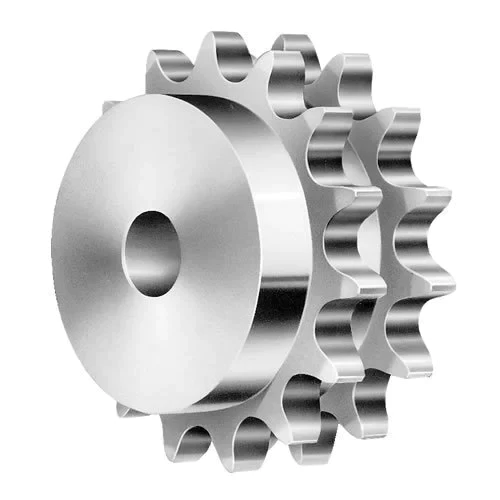
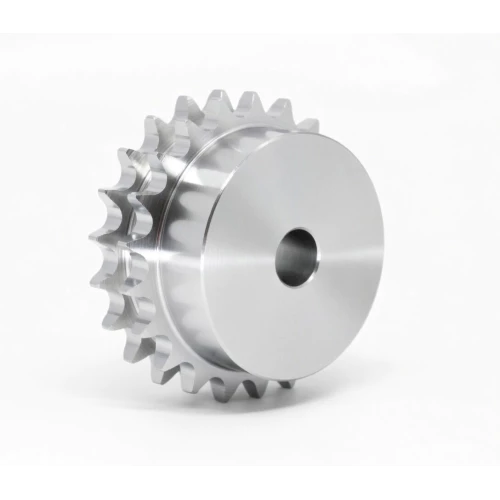
锥套式和快拆式(QD)衬套驱动链轮可实现快速安装和拆卸,且不会影响轴的对准。这对于西澳大利亚州和昆士兰州的采矿和物料搬运作业至关重要,因为在这些地区,计划外停机造成的损失每小时超过 10,000 澳元。我们的锥套式驱动链轮涵盖 ANSI #40 至 #240 以及公制 08B 至 32B 系列。所有标准孔径(最大 150 毫米)的快拆衬套均有现货。替换轮辋可单独购买,因此操作人员无需购买完整的链轮组件,即可在现场携带备用轮辋。硬化齿和精密加工的轮毂端面确保了在高达 1800 转/分的运行速度下仍能保持同心度和平衡性。
驱动链轮产品类别
按供应链标准和应用领域进行分类,以简化采购流程。每个类别均包含技术数据表和CAD图纸(可按需提供)。
为什么澳大利亚工程师指定使用 Ever-Power 驱动链轮
我们通过经过验证的制造流程、尺寸可追溯性以及基于澳大利亚东部标准时间 (AEST) 的快速响应技术支持来降低采购风险。
材料认证与追溯
每个驱动链轮均附带可追溯至钢厂炉号的材料测试证书。我们标准供应1045碳钢,另有4140和8620合金钢可用于高疲劳应用。不锈钢链轮则提供304或316等级认证。该文件满足澳大利亚矿业公司在AS/NZS ISO 9001质量管理体系下运营以及昆士兰州RPEQ监管项目的审核要求。
精密制造工艺
齿廓采用数控滚齿加工,达到AGMA质量等级公差,确保所有齿数下链条啮合一致。孔采用数控车床加工,同心度相对于节圆直径控制在0.025 mm TIR以内。键槽采用拉削加工,符合AS 1403 / DIN 6885配合公差标准。齿面经感应淬火处理,硬度达到HRC 40-50,与通体淬火或机加工状态的驱动链轮相比,使用寿命可延长2-3倍,尤其适用于皮尔巴拉铁矿和猎人谷煤矿作业中常见的磨蚀性粉尘环境。
库存深度与物流
我们在澳大利亚境内的仓库网络中储备了超过3200种链轮SKU。标准孔径的链轮符合ANSI #35至#160标准以及公制06B至24B标准,可快速发货。成品孔径和键槽式链轮交货期短。我们还提供空运服务,以应对矿场和偏远加工设施的紧急故障情况。我们在周转率最高的500条链轮生产线上保持安全库存缓冲,以最大限度地降低采矿、制糖和粮食加工等行业定期维护计划的交货期风险。
工程与选型支持
我们的工程师协助您选择合适的驱动链轮,包括齿数优化、速比计算、链条包角验证和中心距规划。我们会根据您的轴径、扭矩要求、运行速度和环境条件,推荐合适的材料等级、表面处理和链条配置。CAD 文件提供 STEP、DWG 和 PDF 格式。技术支持可通过以下方式提供: [email protected] 在澳大利亚东部标准时间 (AEST) 的工作时间内。
驱动链轮在澳大利亚各行业的应用
实际运行场景。每种应用都有特定的链轮材料、齿形和表面处理要求。
采矿与矿物加工
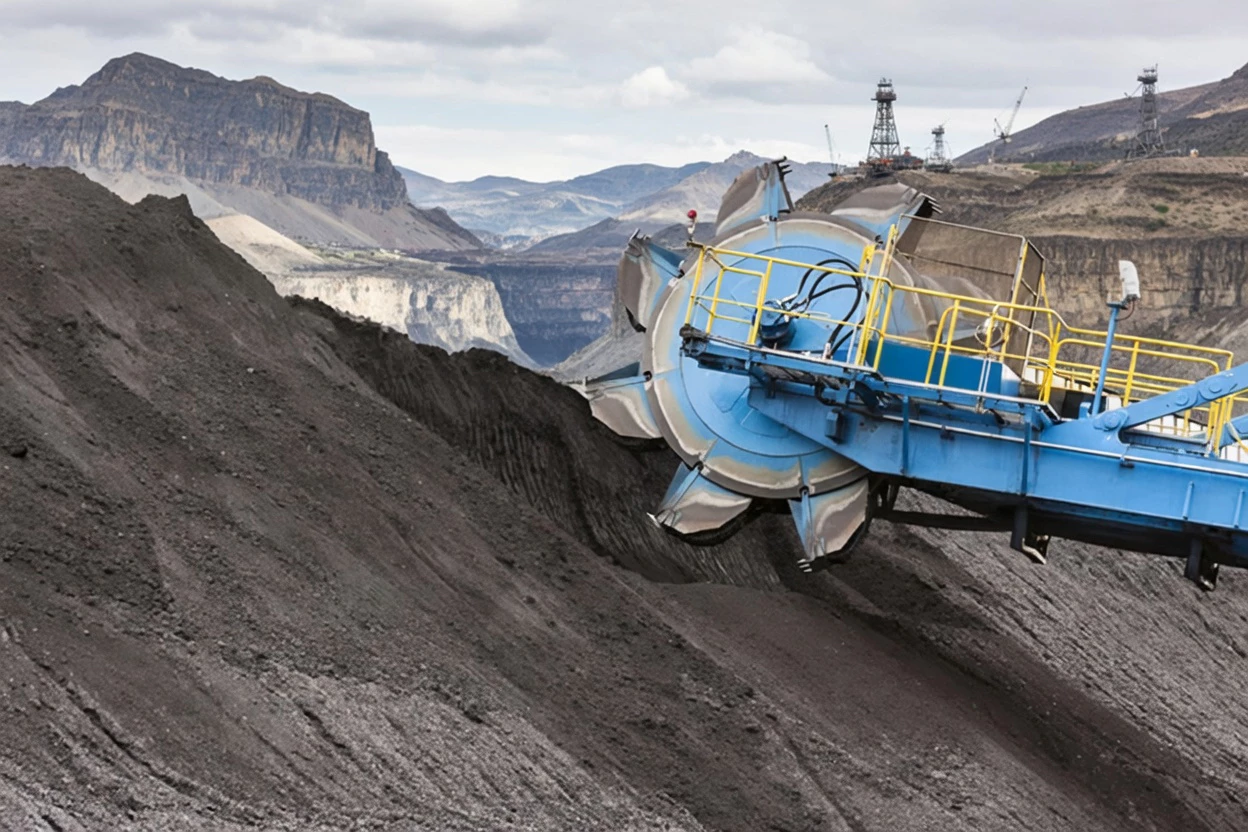
地下长壁输送机、地面输送带、斗式提升机、拉铲系统和破碎机给料机构均依赖高强度驱动链轮在连续负载下可靠地传递动力。在西澳大利亚的铁矿石开采作业中,主输送机驱动装置的驱动链轮承受着超过 45 摄氏度的环境温度、氧化铁粉尘造成的细小颗粒磨损以及不规则矿石给料带来的冲击载荷。针对这些工况,我们指定使用 4140 合金钢驱动链轮,其齿部经感应淬火处理,并采用黑色氧化表面涂层。对于功率超过 150 kW 的输送机驱动装置,双链和三链配置是标准配置。
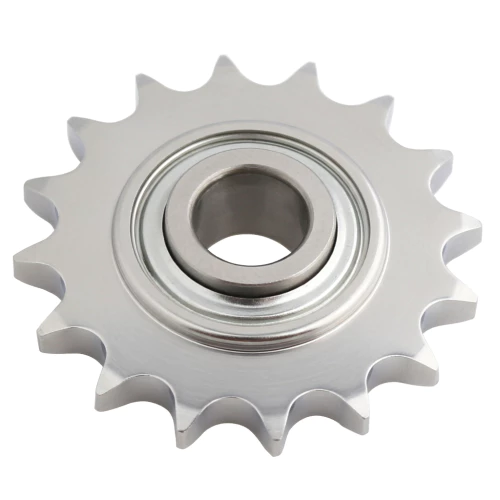
对于猎人谷和鲍恩盆地的煤炭处理厂,我们供应采用镀锌或热浸镀锌工艺的耐腐蚀驱动链轮,以防止酸性矿井排水和冲洗水的侵蚀。在长跨距输送机回程线路上,我们指定使用带密封滚珠轴承的惰轮,以保持链条张力并防止链条在变载荷下发生鞭打。
农业与粮食加工
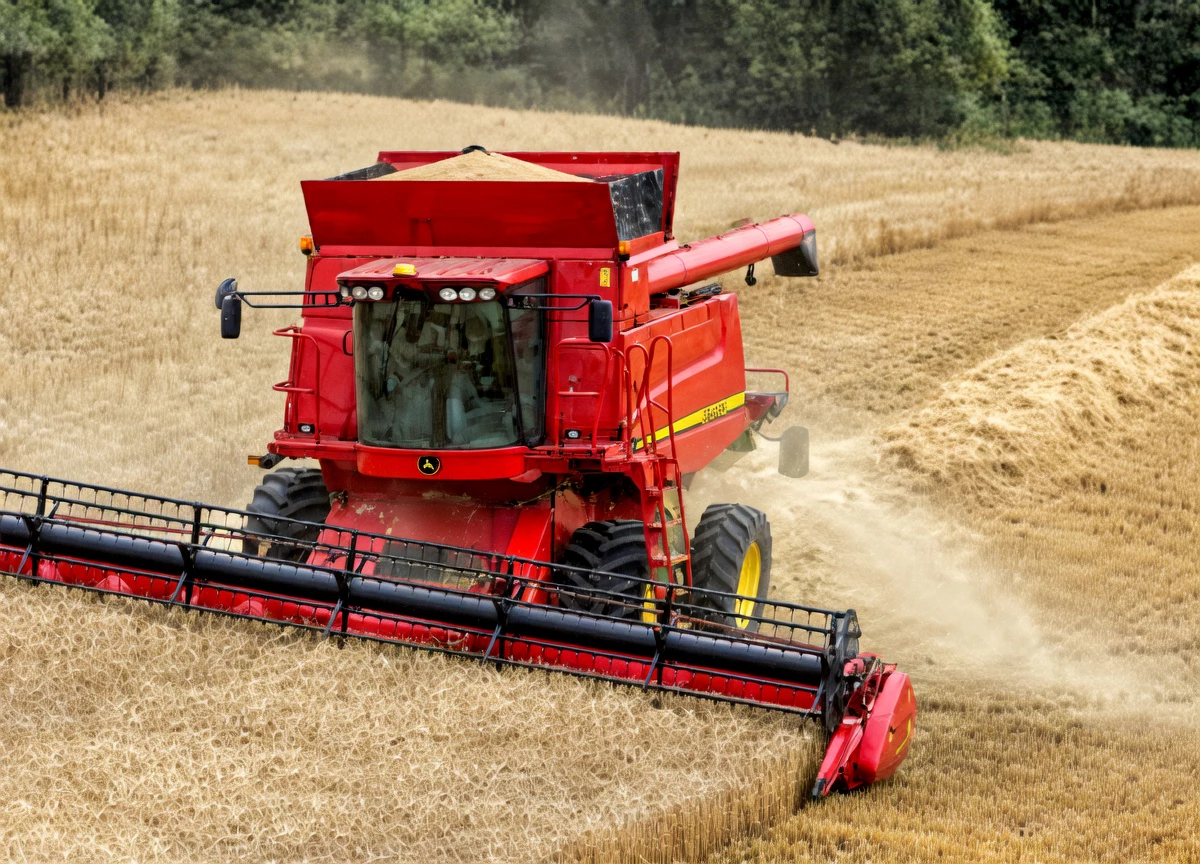
澳大利亚大面积农田的耕作依赖于联合收割机、谷物螺旋输送机、收割台链条传动装置以及散装谷物提升机的驱动链轮。我们为收割台和进料器驱动装置提供符合 ANSI #50 和 #60 标准的硬化齿驱动链轮。对于谷物提升机斗链,C2060H 和 C2080H 规格的双节距驱动链轮可提供更长的节距,从而实现高效的垂直物料输送。
昆士兰州的甘蔗加工作业在甘蔗输送链和蔗渣输送机上使用重型驱动链轮。这些链轮必须能够承受甘蔗汁的腐蚀和纤维材料的磨损。我们为甘蔗加工链指定使用不锈钢或硬铬驱动链轮,而对于需要在严格的计划停机窗口期内更换链轮的输送驱动装置,则采用分段式轮缘结构。
食品饮料加工
食品级驱动链轮必须符合卫生设计原则:表面光滑无缝隙,避免细菌滋生;能够耐受高压腐蚀性或酸性溶液的冲洗;且所用材料经批准可用于与食品的偶然接触。我们的 SS304 和 SS316 不锈钢驱动链轮经过电抛光处理,表面粗糙度 Ra 达到 0.8 微米或更低。我们为乳制品加工输送机、灌装线和肉类包装堆垛系统提供符合 ISO 08B 至 16B 标准的单联和双联驱动链轮,并拥有符合 FDA 标准的材料认证。
对于需要在不能使用油或油脂的区域进行自润滑的应用,我们提供由工程级尼龙 (PA6) 和聚甲醛共聚物 (POM) 制成的驱动链轮。这些塑料驱动链轮噪音极低,耐化学清洁剂腐蚀,并消除了食品接触区域润滑剂污染的风险。

一般制造和物料搬运
自动化生产线、包装机械、码垛系统和仓库配送输送机在其链传动系统中均采用从动链轮作为主要的扭矩传递元件。驱动链轮和从动链轮之间精确的速比控制着产品的间距、堆积和分度。我们为定位精度要求极高的应用提供节圆直径公差极小的从动链轮,例如机器人取放站和自动导引车 (AGV) 链式输送平台。我们还提供适用于高功率配送输送机驱动的多链从动链轮(最多可达 10 链)。
汽车零部件制造厂在数控传送机床的同步链传动装置中使用精密研磨的驱动链轮。这些链轮需要达到AGMA 10级或更高的齿廓精度,以确保多个机床工位之间的同步运行。
水处理和废水基础设施
澳大利亚沿海地区的市政水处理厂和海水淡化厂采用链条驱动的格栅耙、澄清池污泥收集器和压滤机进料机构。这些系统在持续潮湿、含氯且有时含盐的环境中运行,这些环境会严重腐蚀碳钢。我们为初级和二级澄清池收集器链条提供316级不锈钢驱动链轮,并采用电抛光处理以减少生物污垢。对于与原污水接触的格栅耙驱动装置,我们指定使用带有密封轴承惰轮的双联驱动链轮,以确保在各种杂物负荷下链条的可靠啮合。我们用于水处理应用的驱动链轮在尺寸上与主要澄清池和格栅制造商的OEM规格兼容。
木材、纸浆和纸张
锯木厂原木输送机、剥皮机进料输送机、木片输送机和造纸机毛毡传动系统均采用重型驱动链轮,以应对高扭矩、低速运行工况。原木输送机驱动链轮必须能够承受因原木尺寸和重量不规则而产生的冲击载荷。我们为原木输送机链传动系统提供宽齿面、加固轮毂的鼓式驱动链轮。对于木片输送系统,采用硬化齿的双节距驱动链轮能够有效抵抗木片和树皮颗粒的磨损。塔斯马尼亚州和维多利亚州地区的纸浆和造纸厂指定使用我们的不锈钢驱动链轮作为湿部机器的驱动装置,因为化学制浆液会在数周内腐蚀碳钢。造纸机烘干段毛毡传动装置上的分段式轮辋驱动链轮无需将链轮轮毂从轴上拆卸即可更换轮辋,从而减少维护期间的停机时间。
澳大利亚区域运行状况研究
皮尔巴拉极端高温耐力研究
皮尔巴拉地区的铁矿石输送机在环境温度经常超过 45 摄氏度的环境下运行。驱动链轮轮毂的热膨胀会降低其与轴的过盈配合,导致负载下打滑。我们通过以下方式解决这个问题:选用扭矩额定值高于轴额定负载要求的锥套;以及使用 4140 合金钢驱动链轮,其在高温下的尺寸稳定性优于标准 1045 碳钢。此外,我们还调整了齿的硬化规格,以弥补在持续运行温度下表面硬度的降低。我们的工程团队会在皮尔巴拉地区应用的链轮选型过程中提供热膨胀计算。
昆士兰热带腐蚀性评估
昆士兰沿海的糖厂、热带水果加工厂和港口设施面临着高湿度、盐雾和有机酸侵蚀带来的加速腐蚀问题。在这些环境下,碳钢驱动链轮若无保护涂层,6个月内就会出现可见的点蚀。我们建议,对于使用寿命较长的应用,应使用SS316不锈钢驱动链轮;对于对成本要求较高的应用,则应使用镀锌镍碳钢驱动链轮。对于糖厂甘蔗输送链,我们的硬铬镀层驱动链轮兼具耐腐蚀性和优异的耐磨性,能够有效抵御甘蔗纤维碎屑的磨损。
维多利亚州和塔斯马尼亚州寒冷气候林业应用指南
维多利亚州南部和塔斯马尼亚州的锯木厂和木材加工厂在冬季严寒条件下运营,环境温度常低于5摄氏度。低温会增加链条和链轮润滑油的粘度,从而增加从动链轮的启动负荷。我们建议使用齿面抛光且齿根半径较大的从动链轮,以降低冷启动时的链条啮合阻力。对于户外原木堆垛作业,我们指定使用热浸镀锌碳钢从动链轮,以防止温度循环过程中冷凝引起的腐蚀。材料的低温冲击韧性已通过AS 2074标准的验证。
驱动链轮工程知识库
解答我们的工程客户在链轮选型和采购过程中最常问到的问题。
什么是从动链轮?它与主动链轮有何区别?
从动链轮是滚子链传动系统中的输出元件。它接收来自链条的旋转运动,而链条则由连接到电机或原动机的驱动链轮驱动。从动链轮的齿数通常比驱动链轮多,从而产生减速和扭矩倍增效应。例如,一个17齿的驱动链轮与一个51齿的从动链轮配合使用,可实现3:1的减速比。从动链轮安装在与被驱动负载相连的输出轴上,该负载可以是传送带的头部滑轮、搅拌机的搅拌器、泵的叶轮或任何其他旋转机械元件。正确选择从动链轮的齿数直接决定输出轴的转速、链条的张力以及两个链轮的包角,所有这些因素都会影响系统效率和部件的使用寿命。了解驱动链轮和从动链轮之间的区别对于为链传动系统中的每个位置指定正确的材料、孔径和轮毂配置至关重要。
为什么从动链轮的材料选择很重要?
从动链轮的材质决定了其耐磨性、耐腐蚀性、承载能力和使用寿命。碳钢(1045牌号)是标准的工业材料,具有良好的强度成本比。对于承受冲击载荷或高疲劳循环的应用,采用表面硬化处理的合金钢,例如4140或8620,可以显著延长使用寿命。在水、化学品或食品腐蚀会导致碳钢快速损坏的场合,不锈钢(304或316牌号)是必不可少的。工程塑料,例如尼龙和聚甲醛(POM),适用于需要降噪、自润滑或化学惰性的应用。铸铁从动链轮具有良好的减振性能,并且经济高效,适用于低速、高扭矩应用。运行环境,例如是否存在磨蚀性粉尘、酸性化学品、高温或需要卫生冲洗等,应该是指导材料选择的主要因素,而不仅仅是初始购买成本。
从动链轮何时需要更换?
当从动链轮的齿磨损超过原齿厚的5%、齿形呈现钩状或鲨鱼鳍状(表明单侧磨损)或节圆直径超过链条制造商规定的伸长极限时,应更换从动链轮。继续使用磨损的从动链轮会加速链条磨损、增加动力消耗、产生噪音和振动,并可能导致链条在负载下跳齿或脱钩。实际上,澳大利亚的维修工程师应在每次更换链条时检查从动链轮。一般来说,维护良好的从动链轮可以使用两到三次链条更换周期。如果每次更换链条都需要更换从动链轮,则应在安装新链轮之前,调查并纠正根本原因(例如不对中、过载、润滑不足或材料规格错误)。
哪些地方需要多股驱动链轮?
当动力传输需求超过给定运行速度下单股链条的额定能力时,需要使用多股(双股、三股或更高股数)驱动链轮。双股驱动链轮的承载能力通常是相同节距下单股链轮的1.7倍。三股配置的承载能力约为单股链轮的2.5倍。多股驱动链轮常见于矿用输送机头驱动装置、大型农业粮仓、工业搅拌机驱动装置和重型包装机主驱动装置。当运行速度过低,小节距链条无法达到所需的功率等级时,也会采用多股驱动链轮,因为较低的速度需要更大的节距或多股链条才能传递相同的功率。多股驱动链轮上的所有链条必须在严格的轴向公差范围内对齐,以确保链条上的负载均匀分布。由于对齐不良导致的负载不均匀,会使某一股链条承受不成比例的总负载,从而导致该股链条过早疲劳和链轮齿磨损。
谁应该参与驱动链轮的选择?
从动链轮的选择应由机械设计工程师(负责确定速比、扭矩和轴尺寸)、维护工程师(了解实际磨损模式和更换限制)以及采购团队(负责管理成本、交货时间和供应商资质)共同参与。对于采矿和重工业等关键应用,独立的可靠性工程师可能会审核链轮规格,以确保其符合现场的平均故障间隔时间 (MTBF) 目标。Ever-Power Australia 的技术销售工程师会参与此选择过程,提供针对特定应用的建议、尺寸数据和材料选项。我们鼓励客户分享其运行参数,以便我们能够为其特定的工况推荐最具成本效益的从动链轮配置。请联系我们的工程团队。 [email protected].
如何计算正确的从动链轮尺寸
首先确定所需的输出转速和电机转速。电机转速与所需输出转速的比值决定了驱动链轮和从动链轮的齿数比。例如,如果电机以 1750 RPM 的转速运行,通过齿轮箱减速至驱动链轮的转速为 120 RPM,而您需要从动轴的转速为 40 RPM,则链条传动比为 120 / 40 = 3:1。如果驱动链轮有 17 个齿,则从动链轮需要 51 个齿 (17 x 3)。确认由此得到的从动链轮外径在机器的可用尺寸范围内,较小链轮上的链条包角大于 120 度,并且链条速度(由节距、齿数和转速决定)在链条尺寸的额定范围内。我们的工程团队可为任何关于从动链轮的咨询提供免费的速度比和链条传动计算服务。 请在此处提交您的需求。.
澳大利亚运营现场绩效报告
“我们用Ever-Power公司生产的4140合金钢双链轮替换了输送机头驱动链轮。连续运行14个月后,齿轮磨损率低于2%。而之前的供应商提供的链轮每8个月就需要更换一次。”
维护主管——新南威尔士州猎人谷煤炭处理厂
“我们的乳制品加工生产线需要不锈钢驱动链轮,能够承受每天用80摄氏度的腐蚀性溶液进行CIP清洗。Ever-Power公司提供的SS316电抛光链轮,18个月后没有出现任何点蚀或变色。”
工厂工程师 — 乳制品加工厂,吉普斯兰,维多利亚州
“我们需要为粮仓斗链安装分体式驱动链轮,因为收割期间停机拉动链条会造成损失。Ever-Power公司提供了一款分体式双联链轮,我们的安装人员在90分钟内就安装好了,而且没有弄断链条。”
运营经理 — 新南威尔士州莫里粮食接收站
“我们从Ever-Power公司采购的用于包装生产线的QD衬套驱动链轮大大简化了链轮更换流程。我们的技术人员现在只需20分钟即可更换链轮,而以前使用键槽式轮毂则需要2个小时。”
生产经理 — 快速消费品包装厂,丹德农,维多利亚州
“我们运营一家污水处理厂,其中筛分机的链轮在4个月内就出现了腐蚀。Ever-Power公司推荐使用SS316不锈钢驱动链轮,并改进了齿形以减少链条爬坡。两年后,运行一切正常。”
资产经理 — 昆士兰州东南部市政水务局
从动链轮选择过程
确定传动比
确定输入转速和所需输出转速。计算齿数比。
识别链类型
链节与现有链条标准相匹配:ANSI、ISO 公制或双节距。
请指定轴和轮毂
请提供轴径、键槽尺寸和首选轮毂类型。
选择材质和表面处理
根据使用环境选择:碳钢、合金钢、不锈钢或塑料。
关于驱动链轮的常见问题
单级链传动推荐的最大传动比是多少?
+单级滚子链传动中,主动链轮和从动链轮之间的推荐最大传动比为 7:1。如果传动比超过此值,则应考虑采用两级传动装置或使用多股链条,以保持较小链轮上足够的链条包角(建议最小 120 度),并避免链条张力过大。较高的传动比会导致较小链轮上啮合的齿数减少,从而加剧磨损,并增加链条在负载下跳齿的风险。
Can I use an ANSI sprocket with an ISO metric chain?
+No. ANSI and ISO metric (BS) chains have different roller diameters and internal widths even when the pitch dimensions appear similar. Using mismatched chain and sprocket standards will result in poor engagement, accelerated wear, and potential chain failure under load. Always match the driven sprocket standard exactly to the chain standard installed in the system. If you are unsure which standard your existing chain uses, measure the pitch, roller diameter, and internal width and contact our engineering team for identification assistance.
How many teeth should a driven sprocket have?
+Minimum recommended is 17 teeth; maximum practical is around 120. Odd tooth counts on the driven sprocket (such as 19, 21, 23) are sometimes preferred because they distribute chain wear more evenly across all teeth over time. This is because an odd tooth count ensures that each tooth engages with a different chain link on successive revolutions, preventing localised wear patterns. The exact count is determined by the required speed ratio and drive sprocket size, subject to the constraint that the resulting pitch circle diameter fits within the available machine envelope.
What is the minimum order quantity for custom driven sprockets?
+Our minimum order quantity for custom-machined driven sprockets is one piece. We understand that many Australian operations require single-piece replacements for specific machines. Pricing is based on material type, machining complexity, and required tolerances. Quantity discounts apply for orders of 10 or more identical driven sprockets. For scheduled maintenance programs requiring recurring supply of the same sprocket specifications, we offer blanket order arrangements with call-off delivery to reduce per-unit cost and simplify procurement administration.
Do you supply matching roller chains?
+Yes. We supply ANSI and ISO metric roller chains to match all our driven sprocket sizes. Ordering the chain and driven sprocket together ensures pitch compatibility and allows us to verify the complete drive specification. We stock standard, heavy series, stainless steel, nickel-plated, and self-lubricating roller chains. Purchasing matched chain and sprocket sets from a single supplier eliminates the risk of specification mismatches that can occur when sourcing components separately.
What certifications do your driven sprockets carry?
+Our manufacturing facility holds ISO 9001:2015 certification. All driven sprockets are manufactured to ANSI B29.1 or ISO 606 dimensional standards. Material test certificates (EN 10204 Type 3.1) are available for all steel grades. Stainless steel driven sprockets include mill certificates confirming grade composition. We can provide certificates of conformance and dimensional inspection reports on request for projects requiring third-party quality verification, which is common for Australian mining and infrastructure projects.
How do I request a quotation?
+Email [email protected] 或使用我们的 contact form. Include chain standard, tooth count, bore diameter, keyway, material, and quantity. We respond promptly.
How do I get accurate lead time and shipping information?
+Lead times vary depending on the sprocket specification, bore machining requirements, surface treatment, and current stock availability. We ship to all major Australian ports including Sydney, Melbourne, Brisbane, Fremantle, and Adelaide via both sea and air freight. For an accurate delivery estimate tailored to your specific order, contact our team at [email protected] with your sprocket specifications and required delivery location. We maintain deep inventory on high-demand SKUs and offer expedited shipping options for urgent breakdown situations. Our logistics team coordinates with freight forwarders experienced in handling industrial components to Australian regional and remote locations.
Complementary Power Transmission Components
Complete your chain drive system with matched components from the Ever-Power range.
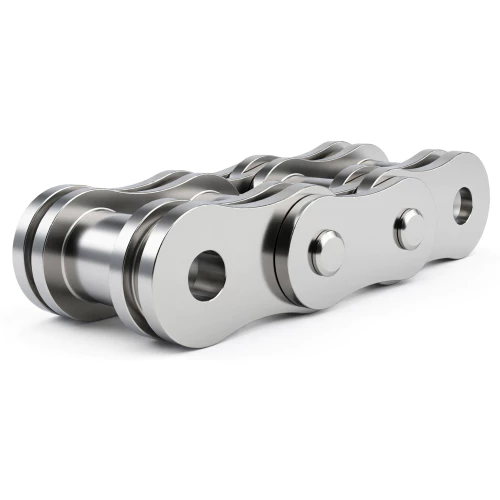
Roller Chains
ANSI & ISO metric roller chains matched to our driven sprocket inventory.
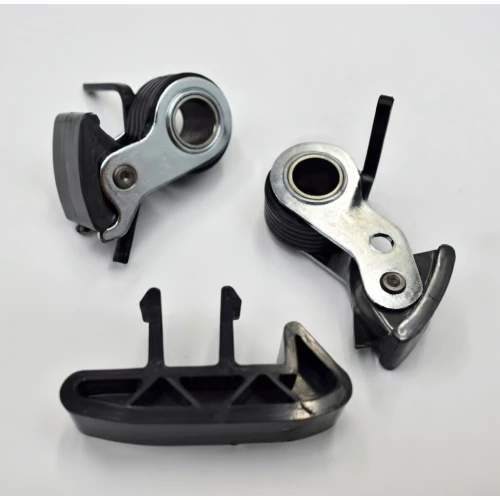
Chain Tensioners
Automatic and manual chain tensioners for maintaining correct chain sag.
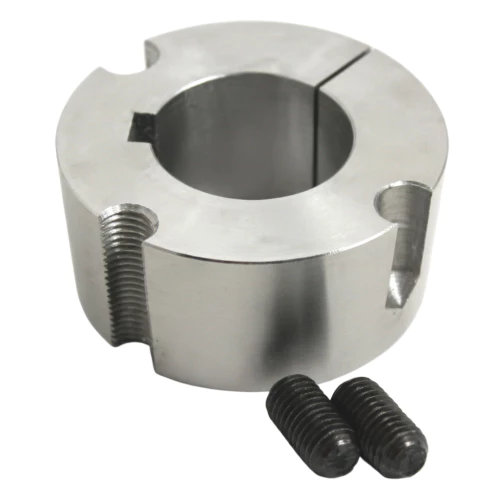
Taper-Lock Bushings
Precision bushings for fast sprocket mounting and removal on keyed shafts.
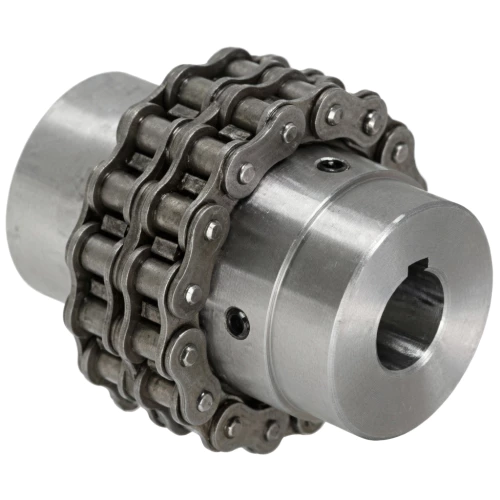
Coupling Sprockets
Chain coupling sprockets for shaft-to-shaft connection with angular misalignment tolerance.
Certifications & Industry Coverage
ISO 9001
Quality Management
ANSI B29.1
Dimensional Standard
ISO 606
Metric Chain Standard
EN 10204
Material Traceability
Request Driven Sprocket Selection Support
Share your application requirements with our engineering team. We provide technical recommendations, dimensional data, and competitive pricing. No obligation. No follow-up calls unless you request them.
Email: [email protected]
Driven Sprocket Maintenance and Inspection Procedures
Visual Tooth Profile Inspection
A new driven sprocket tooth has a symmetric profile with equal material thickness on both flanks. As the sprocket wears, the tooth profile becomes asymmetric, developing a characteristic hook or wave shape on the loaded flank. This hook shape indicates that the tooth is being eroded by the chain roller under tension. When the hook becomes pronounced enough that the chain roller no longer seats in the tooth root during engagement, chain skip will occur. Maintenance engineers should compare the tooth profile against a new sprocket template at every scheduled inspection. If more than 25 percent of the tooth flank material has been removed on the loaded side, the driven sprocket should be scheduled for replacement at the next available maintenance window. Continuing to operate a hooked sprocket not only risks chain failure under load but also damages the replacement chain prematurely by forcing the rollers to ride on worn tooth surfaces that no longer match the designed engagement profile.
Alignment Verification Protocol
Misalignment between the drive and driven sprockets is the single most common cause of premature chain and sprocket wear. Angular misalignment (shafts not parallel) and offset misalignment (shafts parallel but sprocket planes not coincident) both produce uneven loading across the chain width, leading to localised tooth wear and chain plate fatigue. Use a straightedge or laser alignment tool to verify that both sprocket faces lie in the same plane within 0.5 mm per 300 mm of shaft centre distance. For multi-strand driven sprockets, alignment tolerance is tighter: 0.25 mm per 300 mm. Re-check alignment after every sprocket replacement, bearing change, or machine relocation. In mining and heavy industry applications across Australia, vibration-induced foundation movement can shift shaft alignment over time, so periodic verification should be incorporated into the preventive maintenance schedule rather than relying solely on alignment checks during component replacement.
Lubrication Best Practice
Proper lubrication reduces friction between the chain rollers and the driven sprocket tooth flanks, dissipates heat from the engagement zone, and flushes abrasive particles from the tooth roots. For open chain drives operating at speeds below 200 metres per minute, manual lubrication with a brush or drip oiler applied to the inside of the chain at the point where it engages the driven sprocket is acceptable. For higher-speed drives or enclosed systems, oil bath or circulating oil lubrication systems are recommended. Never use grease on roller chain drives; grease is too viscous to penetrate into the chain pin-bushing interface where lubrication is most needed. Select lubricant viscosity based on operating temperature: ISO VG 30-50 for temperatures below 40 degrees Celsius, ISO VG 68-100 for temperatures between 40 and 60 degrees Celsius. In food processing environments where conventional lubricants cannot be tolerated, self-lubricating chains paired with nylon or POM driven sprockets provide an effective oil-free alternative that meets food safety requirements.
Driven Sprocket Material Comparison for Australian Conditions
Selecting the right material for your operating environment is the most important factor in driven sprocket longevity.
| Material | Tensile Strength | Corrosion Resistance | Max Temp | Typical Applications |
|---|---|---|---|---|
| 1045碳钢 | 570-700 MPa | Low | 200 C | General industrial, manufacturing, packaging |
| 4140 Alloy Steel | 655-900 MPa | Low | 250 C | Mining, heavy duty conveyors, high-fatigue drives |
| 8620 Carburising Steel | 530-650 MPa | Low | 200 C | Case-hardened high-wear, precision drives |
| SS304 Stainless | 515-620 MPa | High | 300 C | Food, dairy, beverage, pharmaceutical |
| SS316 Stainless | 515-620 MPa | Very High | 300 C | Marine, chemical, wastewater, coastal |
| Cast Iron | 150-300 MPa | Moderate | 250 C | Low-speed high-torque, vibration damping |
| Nylon / POM | 70-85 MPa | Excellent | 80-100 C | Light duty, food contact, clean rooms |
Surface Treatment and Hardening Options
感应淬火
Tooth flank hardening to HRC 40-50 with core ductility retained. The standard treatment for driven sprockets operating in abrasive environments such as mining, aggregate, and cement processing. Extends tooth life by 2-3 times compared to unhardened sprockets. Available on all carbon and alloy steel driven sprockets in our catalogue. Hardening depth is controlled to ensure the tooth core remains ductile enough to absorb shock loading without brittle fracture.
Black Oxide Coating
A chemical conversion coating that provides mild corrosion protection and improved visual appearance without altering dimensional tolerances. Typically applied to carbon steel coupling sprockets and standard industrial driven sprockets for indoor applications. Combined with an oil film for storage protection during warehousing and transport to Australian end users.
Zinc & Zinc-Nickel Plating
Electroplated zinc or zinc-nickel provides sacrificial corrosion protection for carbon steel driven sprockets in humid or mildly corrosive outdoor environments. Zinc-nickel alloy plating offers 5 to 10 times the salt spray resistance of standard zinc plating, making it well suited for coastal Australian installations and outdoor equipment exposed to the elements year-round.
Electro-Polishing
Electrochemical surface finishing for stainless steel driven sprockets to achieve surface roughness below Ra 0.8 micrometres. Required for hygienic applications in dairy, meat processing, and pharmaceutical manufacturing where biofilm prevention is mandated by food safety regulations. The smooth finish also reduces chain roller friction and extends chain lubrication intervals in clean-room environments.